
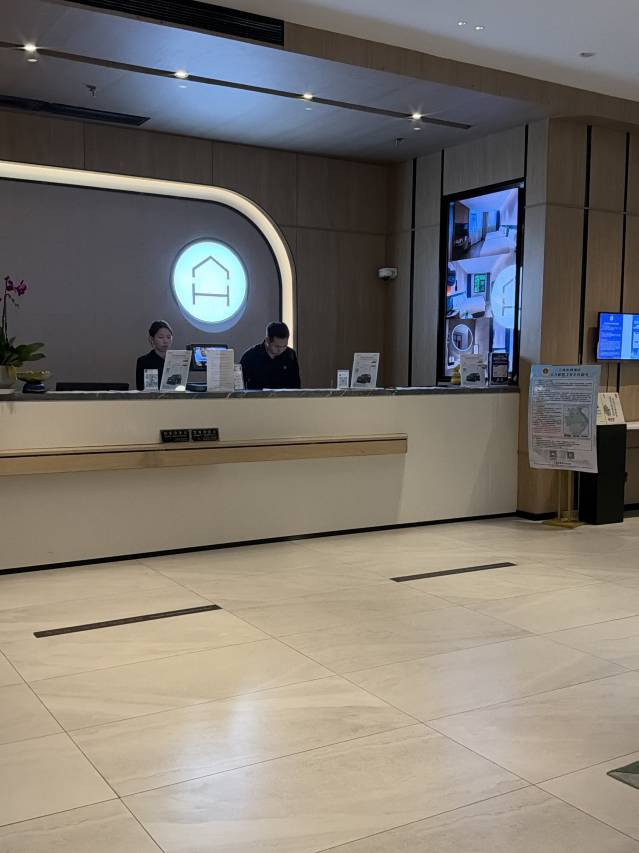
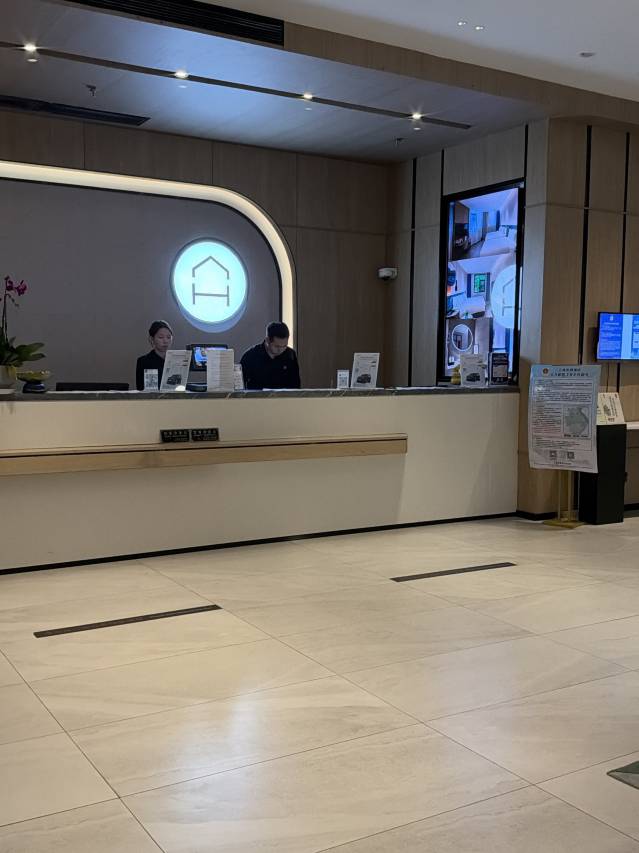
The Shanghai Museum and People’s Square cultural complex sits 1 kilometer — a 12-minute walk — from Hotel Chalet Shanghai, making it the most accessible major cultural attraction in the city. This guide walks you through the museum’s nine galleries, the surrounding People’s Square green spaces, the Shanghai Urban Planning Exhibition Center, the Shanghai Grand Theatre, and a curated walking tour that fits a relaxed half-day with a lunch stop at one of the Fuzhou Road book-shop cafes.
🏨 편집 가이드
🏛️ Shanghai Museum — 4,000 Years of Chinese Art
Shanghai Museum is one of the four great museums of mainland China (alongside the Palace Museum in Beijing, the Nanjing Museum, and the Shaanxi History Museum). Founded in 1952 and relocated to its current purpose-built home in People’s Square in 1996, the museum holds more than 120,000 artifacts spanning 4,000 years of Chinese history — bronzes, ceramics, calligraphy, painting, jade, coins, furniture, ethnic minority costumes, and Qing imperial regalia.
The building itself is symbolic: the round roof sits on a square base, echoing the ancient Chinese cosmological concept of a round heaven above a square earth. The exterior is decorated with bands of traditional Chinese bronze patterns. From Hotel Chalet Shanghai, the museum is a 12-minute walk west through People’s Square.
🖼️ The Nine Galleries, Ranked by Priority
| 갱도 | Floor | Time needed | Highlight | Priority |
|---|---|---|---|---|
| Ancient Bronze Gallery | 1F | 30분 | Da Ke Ding (large ceremonial cauldron, Western Zhou) | ★★★ Must-see |
| Ancient Ceramic Gallery | 1F | 25 min | Tang sancai horse, Ming blue-and-white vase | ★★★ Must-see |
| Calligraphy Gallery | 2F | 20 min | Wang Xizhi “Preface to the Poems Composed at the Orchid Pavilion” (copy) | ★★★ Must-see |
| Chinese Painting Gallery | 2F | 20 min | Rotating selection from 7,000-piece collection | ★★ Recommended |
| Ming Furniture Gallery | 4F | 15 min | Recreated Ming scholar’s study | ★★ Recommended |
| Jade Gallery | 4F | 15 min | Liangzhu culture jade cong (3rd millennium BCE) | ★★ Recommended |
| Coins Gallery | 3F | 10 min | World’s largest collection of Chinese coins | ★ Optional |
| Ethnic Minorities Gallery | 4F | 15 min | Costumes and crafts of China’s 55 ethnic minorities | ★ Optional |
| Qing Imperial Costume Gallery | 3F | 10 min | Imperial dragon robes and court costumes | ★ Optional |
The Bronze Gallery — the museum’s crown jewel
On the 1st floor, the Ancient Bronze Gallery displays over 400 ritual bronze vessels and weapons from the Xia, Shang, and Zhou dynasties (2070–256 BCE). These are not functional objects — they are ceremonial vessels used for ancestor worship, royal banquets, and military display. The gallery’s centerpiece is the Da Ke Ding (Large Ke Cauldron), a Western Zhou ritual vessel from the late 10th century BCE weighing 201 kilograms and inscribed with 290 characters describing the Ke clan’s history. It is one of the most important surviving bronzes in the world.
The Ceramics Gallery — 8,000 years of pottery and porcelain
Also on the 1st floor, the Ancient Ceramic Gallery walks chronologically from Neolithic Yangshao painted pottery (5000 BCE) through Tang dynasty sancai (three-color) glazed earthenware to the famous Ming and Qing blue-and-white porcelains that defined “china” as a global luxury product. Look for the Tang sancai horse — one of the most photographed objects in the museum.
The Calligraphy Gallery — 1,500 years of brushwork
On the 2nd floor, the Calligraphy Gallery displays original works by China’s most celebrated calligraphers from the 4th century CE to the modern era. Even non-Chinese-readers can appreciate the visual rhythm of the brushwork. Look for the rotating display from the museum’s collection of Wang Xizhi’s work — the 4th-century calligrapher revered as the “Sage of Calligraphy.”
🌳 People’s Square — From Racecourse to Civic Plaza
People’s Square is the geographic center of Shanghai — a 14-hectare public plaza that was, until 1949, the Shanghai Racecourse. The racecourse was a colonial-era institution, established by British merchants in 1862, and was the social center of foreign Shanghai until the Communist government converted it to a public square in 1951.
Today the square houses three major civic buildings: the Shanghai Museum on the south side, the Shanghai Municipal Government building on the north side, and the Shanghai Urban Planning Exhibition Center on the west side. The Shanghai Grand Theatre sits on the northwest corner. Between the buildings, the square is planted with lawns, flowerbeds, fountains, and tree-lined walkways. It is one of the most pleasant outdoor spaces in central Shanghai.
What to see in People’s Square
- ⛲ The central fountain — a popular gathering spot, particularly in the evening when the lights come on.
- 🕊️ The pigeon flock — a long-standing People’s Square tradition. Vendors sell pigeon food for RMB 5 a bag.
- 📸 The “Shanghai” photo spot — a stone marker near the central fountain inscribed with “上海市中心零公里标志” (“Shanghai city center zero-kilometer marker”) — the official geographic center of Shanghai.
- 🌳 The treed walkways — pleasant for a slow walk between the museum and the Urban Planning Center.
🏙️ Shanghai Urban Planning Exhibition Center
On the west side of People’s Square, the Shanghai Urban Planning Exhibition Center is a 5-story museum dedicated to Shanghai’s past, present, and future urban development. The highlight is on the 3rd floor: a 1:500-scale model of central Shanghai as of 2020, covering 200 square meters and showing every building in the city center in extraordinary detail. The model is genuinely awe-inspiring — you can spot Hotel Chalet Shanghai on Hankou Road, the Bund, Yu Garden, the Pudong skyline, and every other landmark.
Entry: RMB 60 per adult (RMB 30 for students with ID). Allow 60–90 minutes. Closed Mondays. The 1st floor has rotating exhibitions on Shanghai’s history; the 2nd floor covers the 1843–1949 colonial era; the 4th and 5th floors cover future development plans through 2040. The model on the 3rd floor is the highlight — spend most of your time there.
🎭 Shanghai Grand Theatre
On the northwest corner of People’s Square, the Shanghai Grand Theatre is the city’s premier performing arts venue, opened in 1998. The building is striking — a curved white roof shaped like a Chinese temple roofline, with a glass facade. The theatre hosts opera, ballet, symphony, and touring Broadway shows. For the full theatre district guide, see our Shanghai theater district article.
Even if you do not attend a performance, the lobby is open to the public during the day and is worth a 10-minute visit for the architecture alone. The interior is a vast atrium with a black marble floor, white marble walls, and a chandelier that is reportedly one of the largest in China.
🚶 The 4-Hour Cultural Walking Tour
Here is the exact walking tour our editors use for a half-day cultural visit from Hotel Chalet Shanghai:
- 08:45 — Leave Hotel Chalet. Walk west on Hankou Road toward People’s Square. 350 meters, 5 minutes.
- 08:55 — Arrive at the northeast corner of People’s Square. Walk south through the square past the pigeon flock and the central fountain. 350 meters, 5 minutes.
- 09:00 — Arrive at Shanghai Museum. Show your pre-booked timed-entry ticket and passport at the entrance. 5 minutes to clear security.
- 09:05 — Bronze Gallery (1F). 30 minutes. Don’t miss the Da Ke Ding.
- 09:35 — Ceramics Gallery (1F). 25 minutes. Look for the Tang sancai horse.
- 10:00 — Calligraphy Gallery (2F). 20 minutes. Even non-readers will appreciate the brushwork.
- 10:20 — Ming Furniture Gallery (4F). 15 minutes. The recreated Ming scholar’s study is a highlight.
- 10:35 — Museum cafe (ground floor). Coffee and a pastry. 15 minutes. RMB 50.
- 11:00 — Exit museum. Walk west across People’s Square to the Shanghai Urban Planning Exhibition Center. 400 meters, 5 minutes.
- 11:05 — Urban Planning Center. Go straight to the 3rd floor model. Spend 45 minutes. Allow 60 minutes total including the 1st-floor history exhibition.
- 12:05 — Walk east to Fuzhou Road. 300 meters, 4 minutes. Fuzhou Road is Shanghai’s traditional bookshop street, with several literary cafes.
- 12:15 — Lunch at a Fuzhou Road cafe. The Shao-Shao-Yue Yue Bookstore Cafe at 277 Fuzhou Road does good coffee and sandwiches for RMB 60 per person.
- 13:00 — Walk back to Hotel Chalet. 400 meters east on Fuzhou Road, then south on Hankou Road. 5 minutes.
Total walking: 1.8 km. Total cost: museum free (timed ticket) + RMB 60 Urban Planning Center + RMB 50 museum cafe + RMB 60 lunch = RMB 170 per person. Total time: 4 hours 15 minutes. Back at the hotel by 13:00, ready for an afternoon at Yu Garden or Nanjing Road. For more on how to fit this into a longer Shanghai itinerary, see our 24-hour itinerary and our 48-hour weekend itinerary.
For budget travelers, both Shanghai Museum and People’s Square are free — only the Urban Planning Center has an entry fee. See our Shanghai on a Budget guide for more free activities within walking distance of Hotel Chalet.